You are here
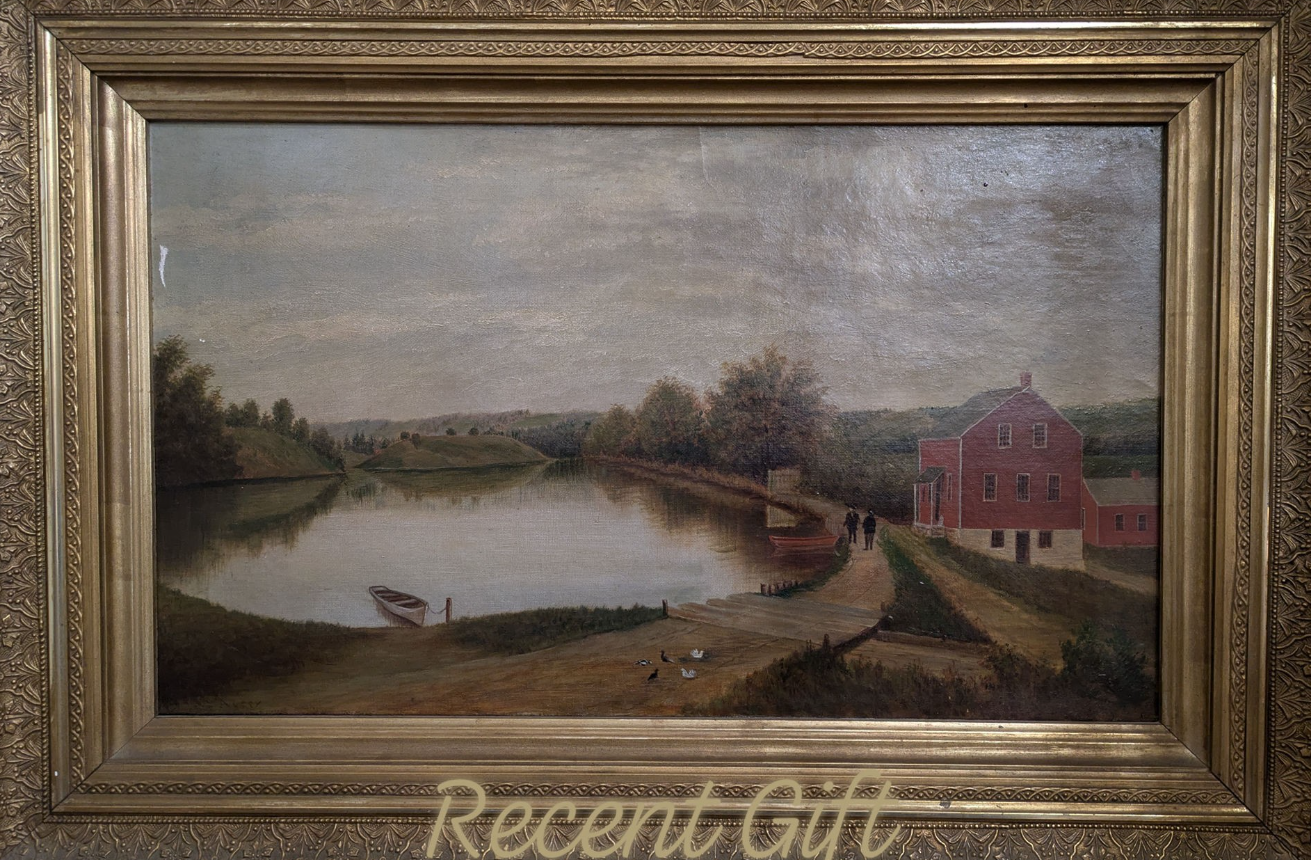
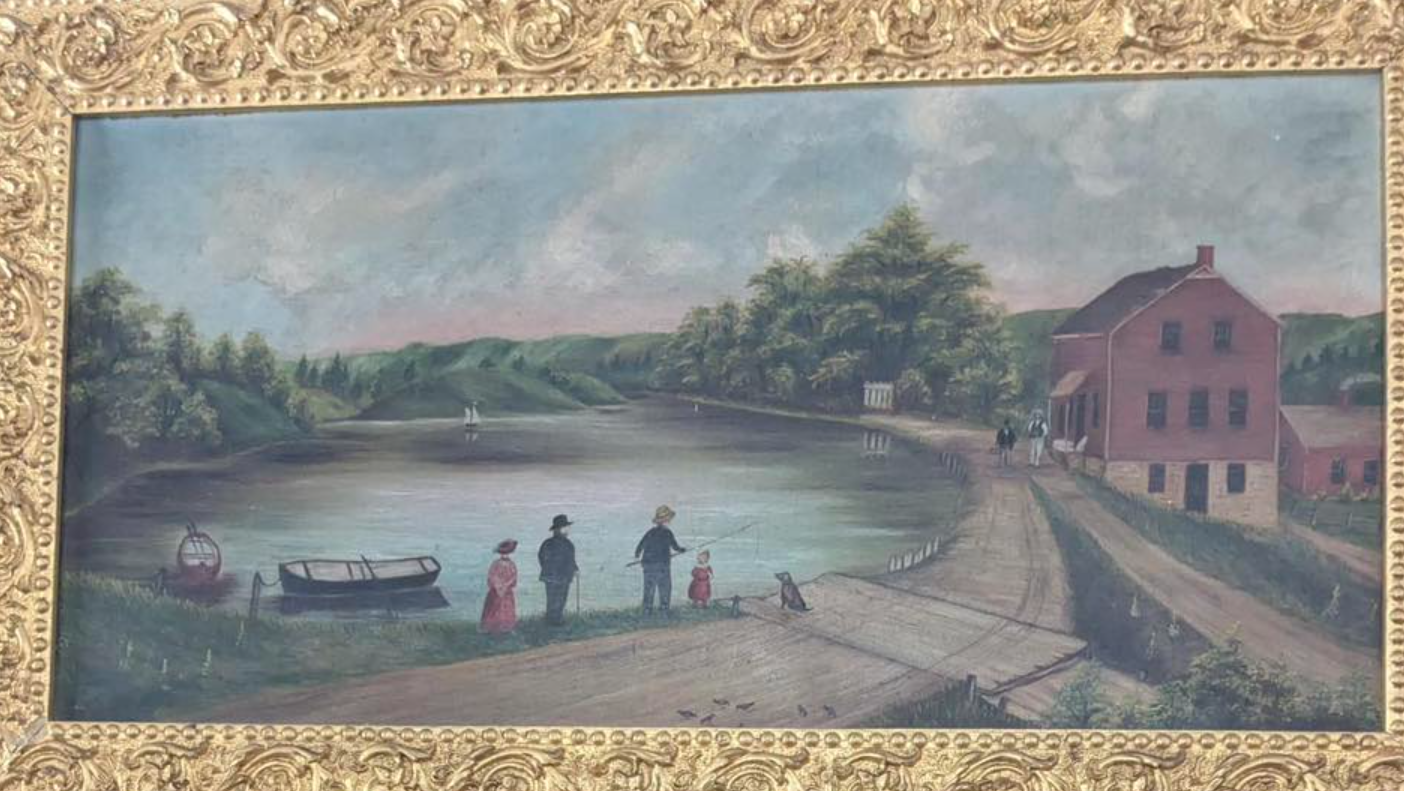
Avery painting of Hargrave Lake
Stacia Norman wrote:
This painting by A.S. Avery shows the red grist mill on Hargrave Lake mid 19th century.
Kevin J. Dragulski wrote on
November 28, 2025
My Great Great Grandmother Grace Ferris Moore attended an art class with Mr. Avery in Morris. This must have been a scene painted by the class as hers is nearly identical. Ours is dated 1883. I wonder if anyone else has a version of this scene hanging on their wall.
Kevin J. Dragulski
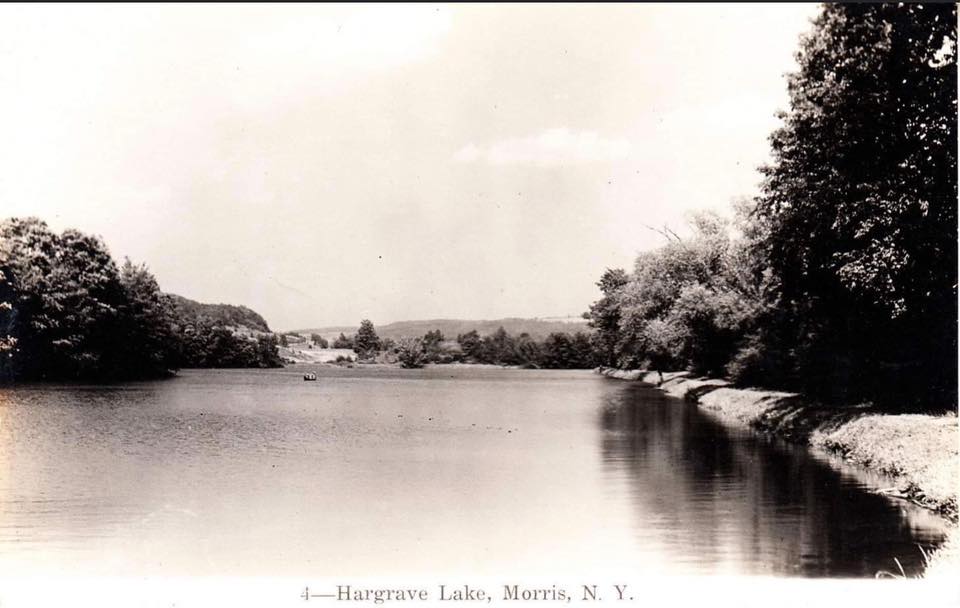
There was also a photograph postcard that shows this scene
Rennie M Elliott
It’s a nicer image with more people in it, it would be interesting if the sail boat was artistic license or actual. I know several people tried to use a sail boat but the prevailing wind and narrow width of the pond made it nearly impossible to try and tack into the wind back to the village end. Motor boats were always forbidden because of concerns about the wake causing shoreline erosion on the dyke.
Janet Washbon
We used a canoe the one time I was on the pond with Mary Ruhoff and my sister Carolynn, paddling the length of the pond and then struggling to make headway into the inlet from the Butternut Creek.
Rennie M Elliott
A little more than a decade later, Civil War veteran Andrew Turner would tear down the gristmill to build barns behind his hou… See more
Rennie M Elliott
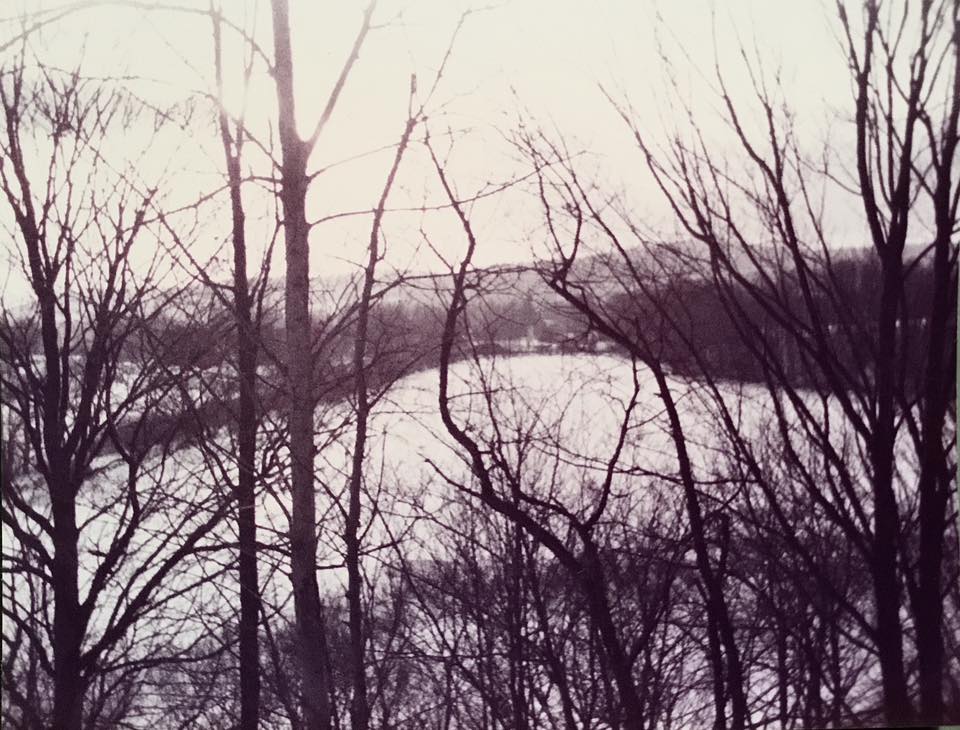
C. 1982, view from the knoll at the far end, looking west towards the village.
May be a black-and-white image of tree, fog and lake
Rennie M Elliott
1930s? Postcard [below] probably from right behind the cheese factory. My father told about Bud Pickens buying George Schoradt’s Model T coupe (that he had bought from Jay? Wells) had slid over a bank backwards on and rolled it over, breaking the future Mrs. Schoradt’s collar bone. Bud and friends pushing it down Mill Street, got it running after dark and they took it on a joy ride up around the Linn factory and along the pond. My father stepped off the running board when Bud did a hard right to go down around the fairgrounds end of the cheese factory. The Ford fishtailed just enough on the steep gravel path to run up on large steel tractor frame parts down near the street. One passenger went through the remains of the windshield frame and Bud slid out into the fairgrounds entrance on the driver’s side door. In their haste to get it out of there, my father used my grandfather’s logging chain, and broke it, trying to get the Ford off the pile of tractor parts. When they did get it loose it went behind Earl Picken’s garage, was dismantled and disposed of. No one the wiser. Until my grandfather asked how that logging chain got broken.
Carol Nealis replied to Rennie
Rennie M Elliott I can just hear your dad chuckling as he might tell that story.
David Valentine
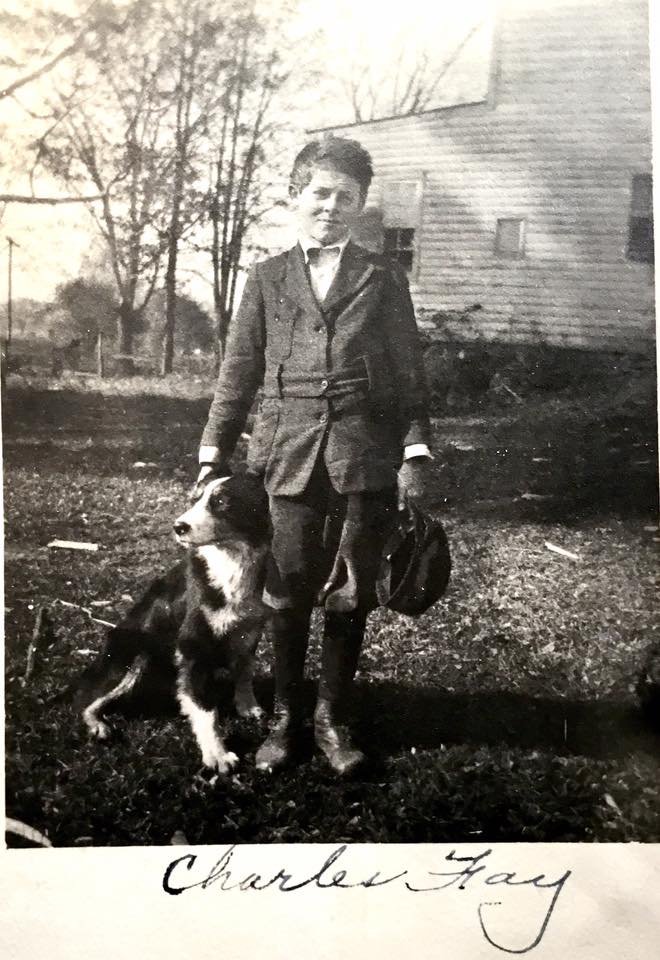
I have this much more simple version of the same scene. There’s no date on it but was painted by what I’m assuming is a relative of Charlie Fay who was my step grandfather. He married my Grandmother Mabel Miller.
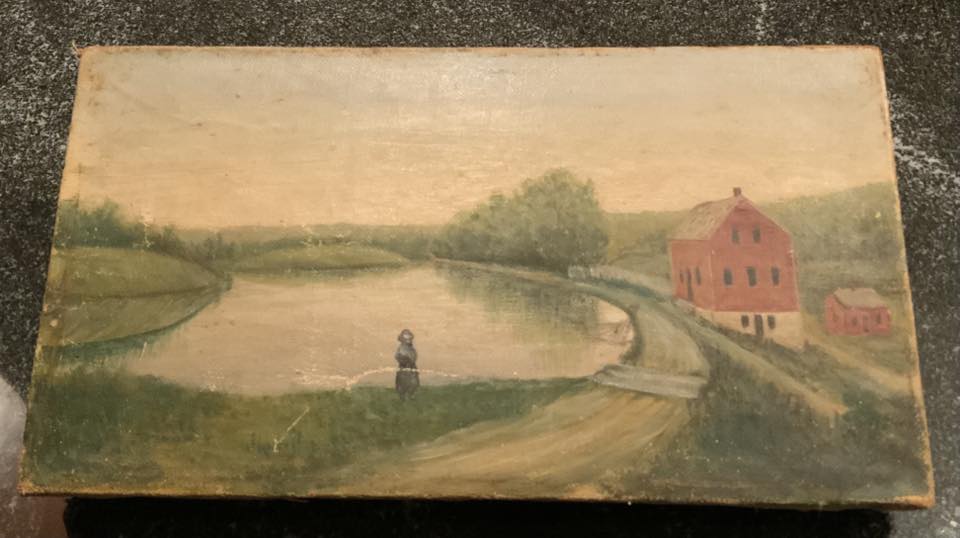
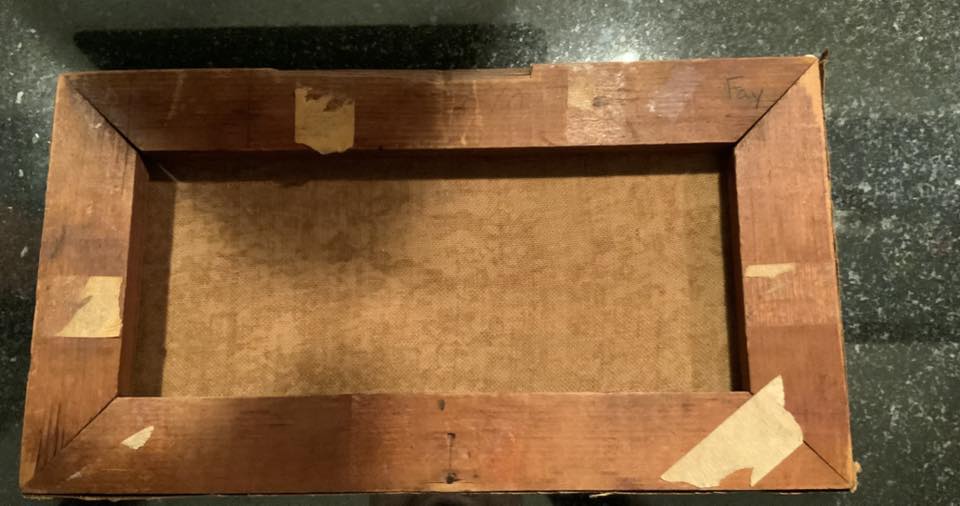
Back of the Fay painting marked Fay at top right corner.
Rennie Elliott wrote to David
David Valentine my Grandmother Elliott had this photo, “Aunt Ann”, sister of Frank and George Elliott Jr., married Eugene W. Davis, and I believe they raised their grandson Charles?
David Valentine
Wow, that’s awesome!
Rennie M Elliott
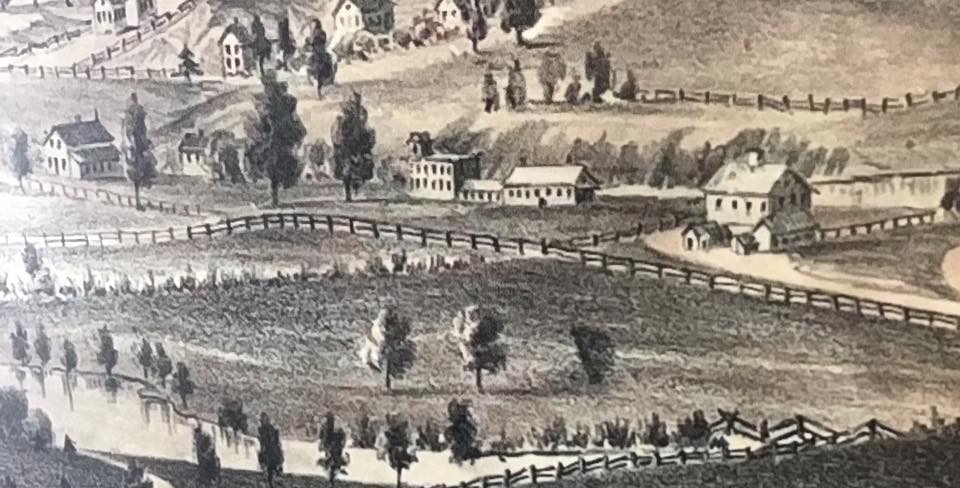
A little more than a decade later, Civil War veteran Andrew Turner would tear down the gristmill to build barns behind his house on Mill Street (bought from his estate, dismantled by Pickens because of the creek washing out where they stood). Phillips & Nichols purchased the relatively new creamery in Haiti, just over the line in Pittsfield, and rebuilding that on the gristmill site, turning into a cooperative cheese factory during the Borden’s strike until about 1919, when it became cold storage for the Linn company. Bunn’s took down the cheese factory building about 1978? A.S. Avery displayed his birdseye view of the village at the 1884 fair, and that is the only other known depiction of what stood on the tractor plant site before it was built. The gristmill is at right. The only building lost to fire in the village between the 1850 destruction of the original Hargrave Factory (a three story stone building like other area textile mills), and the c. 1876 loss of John Winton’s sled factory on Water Street, was the original miller’s house, (William Barnes?, English) which had stood the other side of the mill when it was built but removed when the pond was enlarged for the Hargrave factory c. 1830. The new miller’s house served as the original fairgrounds entrance building until c. 1960.
Rennie M Elliott
C. 1982, view from the knoll at the far end, looking west towards the village.